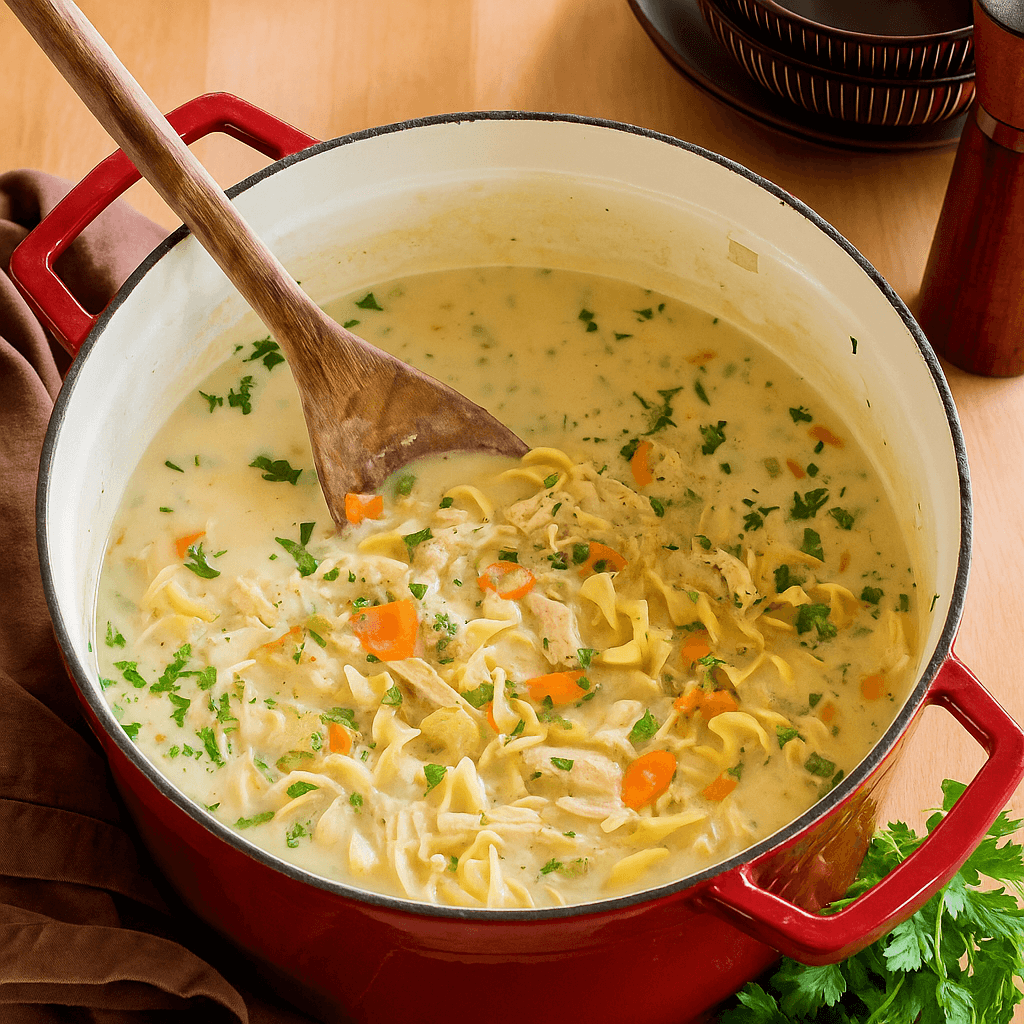
Unlocking the Ultimate Silky Creamy Chicken Noodle Soup Experience
There's a special kind of comfort that only a bowl of homemade chicken noodle soup can deliver. But when that classic gets a luxurious upgrade, transforming into a rich, silky, and utterly decadent
creamy chicken noodle soup, it reaches a whole new level of culinary bliss. Forget thin, watery broths; we're talking about a soup that hugs your taste buds with every spoonful, packed with tender chicken, hearty noodles, and a medley of vibrant vegetables. The secret to this creamy perfection often lies in specific thickening agents and dairy additions, primarily flour and cream, which we'll explore in depth. Get ready to banish bland, thin soups from your kitchen forever and embrace the art of crafting a truly sensational bowl.
The Foundation of Flavor: Building Beyond the Broth
Before we even think about thickening, the bedrock of any extraordinary
creamy chicken noodle soup is its flavor profile. It’s not enough to simply add water and chicken bouillon; a truly memorable soup demands a robust base.
- Choosing Your Chicken Wisely: While chicken breast is often a go-to for its lean protein, chicken thighs are the unsung heroes of a deeply flavorful soup. Their higher fat content and rich marbling infuse the broth with an unparalleled depth of flavor as they simmer. What's more, chicken thighs are incredibly forgiving; they're almost impossible to overcook, ensuring tender, succulent pieces every time. Poaching them directly in your simmering broth is a genius technique, allowing them to both cook gently and contribute intensely to the soup's overall taste profile.
- The Power of a Concentrated Broth: Starting with a high-quality chicken broth or stock is non-negotiable. Look for darker broths or bone broths, as these typically boast a richer, more concentrated flavor. For an extra boost, a chicken base (like Better Than Bouillon) can elevate your soup from good to extraordinary. It's like a secret weapon, pumping up the chicken essence without adding excessive salt, ensuring your soup doesn't taste like "light chicken broth that doesn’t taste like chicken."
- Aromatics: The Sweet Start: The classic trio of diced carrots, celery, and onions – often referred to as mirepoix – is crucial. These vegetables, along with fresh garlic, form the aromatic heart of your soup. A pro tip for maximizing their flavor: always sweat your veggies in a touch of butter before adding any liquid. This gentle sautéing process softens them, releases their natural sugars, and sets a sweet, savory foundation without browning them.
- Herbal Infusion: Fresh or dried herbs are essential for rounding out the flavor. Thyme, bay leaves, and parsley are classic choices that complement chicken beautifully. A bay leaf simmered throughout the cooking process can add subtle depth, while fresh parsley stirred in at the end provides a vibrant, fresh finish.
The Creamy Conundrum: Mastering Thickness with Flour & Cream
Now, let's dive into the core secret to that coveted silky, creamy texture. The balance of flour and dairy is critical for achieving richness without overwhelming the soup or making it excessively heavy.
Flour: The Silky Thickening Agent
Many associate thickening with a heavy, gloopy consistency, but when used correctly, flour simply enhances the mouthfeel, transforming a thin broth into a luxurious, silky liquid.
- The Flour Advantage: Just a small amount of all-purpose flour (typically around 2-3 tablespoons for a standard batch) is enough to create a delightful body. It works by creating a subtle liaison, preventing the soup from being too thick while still giving it that desirable, comforting richness.
- How to Incorporate Flour for a Smooth Finish: There are a couple of ways to introduce flour without lumps:
- Roux Method: After sweating your vegetables, you can add butter (if not already used) and then sprinkle in the flour, stirring constantly for 1-2 minutes to cook out the raw flour taste. Then, gradually whisk in your broth.
- Slurry Method: For a quick and easy approach, whisk the flour with a small amount of cold broth or water in a separate bowl until smooth. Once your soup is simmering and nearly done, slowly whisk this slurry into the hot soup, allowing it to gently thicken for a few minutes. This method is fantastic for adjusting thickness to your preference.
The goal is a beautiful, silky consistency that coats the back of a spoon, not a dense stew.
Cream: The Richness Factor
Adding cream is the final flourish, contributing a luxurious mouthfeel and deepening the soup's overall richness.
- Heavy Cream for Ultimate Indulgence: Heavy cream is the top choice for its high fat content, which provides unparalleled richness and creaminess. It's stable and less prone to curdling, even when added to hot liquids. Don't be tempted to substitute with regular milk; milk has a lower fat content and a higher risk of curdling, leading to an unappetizing texture and a lack of the desired richness.
- Half-and-Half: A Viable Alternative: If heavy cream isn't available, half-and-half is the next best option. It offers a good balance of creaminess and stability, though it won't be quite as decadent as heavy cream.
- The Evaporated Milk Secret: For those seeking an alternative that delivers incredible richness without the full fat of heavy cream, evaporated milk is a fantastic "secret ingredient." As highlighted in some top recipes, it lends a beautiful creaminess and stability, ensuring your soup stays smooth and luscious. This is a brilliant trick for achieving that desired velvety texture. To explore more about this fantastic ingredient, check out our article on Ultimate Creamy Chicken Noodle Soup: Evaporated Milk & Flavor Secrets.
- When to Add Dairy: Always stir in your cream or evaporated milk towards the end of the cooking process, after the flour has had a chance to thicken the broth and the noodles are nearly done. Gently heat through, but avoid bringing the soup to a rolling boil once dairy is added, as this can increase the risk of curdling, especially with half-and-half or if you're using a milk substitute.
The Noodle Nirvana and Veggie Harmony
What's a
creamy chicken noodle soup without hearty noodles and a generous array of vegetables?
- Noodles That Impress: Steer clear of thin, dry egg noodles that often disappoint. For a truly satisfying experience, opt for robust, thick noodles like Kluski noodles or quality frozen egg noodles. These stand up beautifully to the creamy broth, offering a delightful chew in every bite. While traditional egg noodles are classic, don't hesitate to experiment with other pasta shapes you love, as long as they have some substance.
- Veggie Power: Beyond the initial mirepoix, feel free to enhance your soup with additional vegetables. Classic additions include frozen peas or corn, stirred in during the last few minutes of cooking for a burst of color and sweetness. A handful of fresh spinach can also be wilted in just before serving, adding a lovely freshness.
Bringing It All Together: Masterful Simmering and Finishing Touches
Crafting the perfect
creamy chicken noodle soup is about more than just ingredients; it's about the method.
- The Sauté and Simmer: Begin by sweating your aromatics (onion, celery, carrots, garlic) in butter until softened and fragrant. This step is crucial for building a flavorful base.
- Broth and Chicken Base: Pour in your quality chicken broth and add a spoonful of chicken base for that extra flavor punch. Bring to a gentle simmer.
- Poach the Chicken: Add your chicken thighs to the simmering broth and poach them until tender, typically about 20 minutes. Once cooked, remove them, shred or dice, and set aside.
- Thicken with Flour: Prepare your flour slurry (flour whisked with cold broth) and slowly whisk it into the simmering soup, allowing it to thicken to a silky consistency. This happens quickly, so keep an eye on it.
- Noodle Time: Add your chosen hearty noodles and cook according to package directions, or until al dente. Be mindful not to overcook them, as they will continue to soften slightly in the hot soup.
- Creamy Finale: Stir in your heavy cream or evaporated milk, along with the shredded chicken. Heat gently until warmed through, but avoid a rapid boil.
- Season and Serve: Taste and adjust seasonings as needed, adding salt, pepper, or fresh herbs like parsley. Serve immediately, perhaps with a sprinkle of freshly ground black pepper or a dash of fresh thyme.
A truly exceptional
creamy chicken noodle soup is a dish that speaks to the soul. By understanding the critical role of robust flavor foundations, the subtle art of thickening with flour, and the luxurious touch of cream or evaporated milk, you can elevate this beloved comfort food to an unforgettable culinary experience. This isn't just soup; it's a warm, creamy embrace in a bowl, destined to delight family and friends alike.